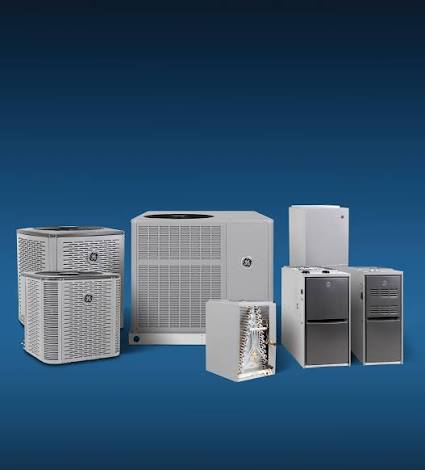

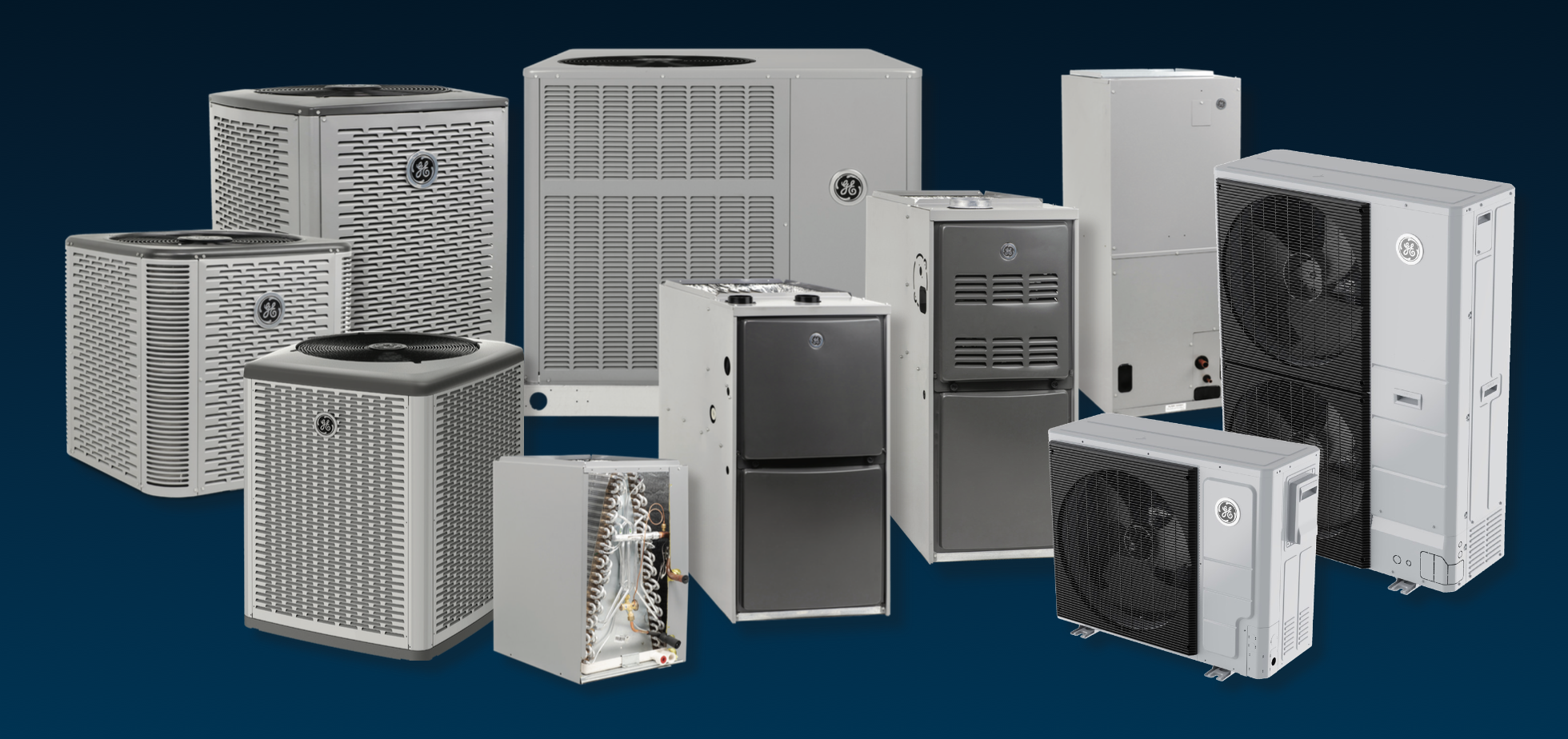
Evaporator Coils, Air Handlers, Condensers & Compressors
WHY THIS MATTERS (EXPECTATION SETTING)
We do not want Comfort Advisors dispatched to homes where a targeted component replacement is the correct solution. At the same time, we do not want to force repairs on systems that are clearly at the end of their useful life.
The technician’s role is to:
- Identify when a box replacement makes sense
- Explain it clearly to the homeowner
- Escalate only when the system condition justifies it
When handled correctly, box replacements:
- Save the customer money
- Preserve a good system
- Keep install resources focused where they matter
AGE-BASED DECISION FRAMEWORK (NON-NEGOTIABLE)
Use system age as the first filter, then condition.
SYSTEMS UNDER ~12 YEARS OLD
If the system is under ~12 years and the failure is isolated:
- Default toward repair or box replacement
- Do not push full system replacement
- Comfort Advisor not required unless scope grows
REQUIRED EXPLANATION & DOCUMENTATION (CYA)
When selling a repair or box replacement, it must be clearly explained and documented that:
- The repair addresses the failed component only
- Other components may have experienced stress or wear related to the failure
- Replacing one component does not reset the age or condition of the entire system
- There is no guarantee that other components will not fail in the future
Homeowner-facing explanation:
“This repair fixes the part that failed, but it doesn’t make the rest of the system new. Everything else is still the same age, and while this is the right fix today, future repairs are always possible.”
SYSTEMS OVER ~12 YEARS OLD
If the system is over ~12 years and:
- Multiple components look poor
- Corrosion, oil staining, or airflow issues are present
- The homeowner is already discussing “replacement”
➡️ Escalate to a Comfort Advisor
COMMON SCENARIOS & HOW TO HANDLE THEM
LEAKY EVAP COIL (AIR HANDLER SYSTEM)
Typical age: 5–10 years
Correct approach:
- Offer evaporator coil replacement or air handler replacement
- Explain this is a targeted fix, not a band-aid
- No reason to sell a full system by default
Do NOT:
- Push full system replacement on a healthy outdoor unit
- Call a Comfort Advisor unless other issues exist
BAD COMPRESSOR (6–10 YEAR SYSTEM)
Correct approach:
- Offer compressor replacement or condenser replacement
- Discuss pros/cons clearly (labor vs longevity)
- Let the homeowner choose between repair paths
Do NOT:
- Jump straight to full system replacement
- Undermine trust by overselling
AIR HANDLER FAILURE (BLOWER, CABINET, INTERNAL CORROSION)
Correct approach:
- Sell air handler replacement
- Confirm compatibility with existing condenser
- Ensure refrigerant match and metering device alignment
HOW TO EXPLAIN BOX REPLACEMENTS (HOMEOWNER LANGUAGE)
Keep it simple. Focus on isolated failure vs overall system health.
Recommended explanation:
“The system itself isn’t worn out – this is one major component that failed. Replacing just this section solves the problem without the cost of replacing everything.”
If helpful:
“It’s like replacing an engine component instead of the whole car when the rest of it is in good shape.”
WHAT YOU MUST VERIFY BEFORE SELLING A BOX
Before proposing any box replacement, confirm and document:
SYSTEM DETAILS
- System age
- Refrigerant type
- Existing equipment model and serial numbers
COMPATIBILITY
- Evap coil and condenser match (capacity and refrigerant)
- Metering device compatibility
- Electrical and breaker sizing
CONDITION CHECK
- No major corrosion on remaining components
- No chronic airflow or duct issues that would compromise the repair
If these boxes aren’t checked, escalate.
SELLING GUIDELINES (TECH-LEVEL AUTHORITY)
You can sell:
- Evaporator coil replacements
- Air handler replacements
- Condenser replacements
- Compressor replacements
You should not sell:
- Full system replacements
- Box replacements on clearly failing, end-of-life systems
- Anything you cannot verify for compatibility
If the conversation naturally shifts from repair to replacement, pause and escalate.
WHEN TO CALL A COMFORT ADVISOR (CLEAR TRIGGERS)
Escalate when:
- System is 12+ years old and condition is poor
- Multiple major components are failing
- The homeowner is asking about full replacement
- Ductwork or airflow problems are significant
- Scope exceeds a single major component
This protects the customer and the company.
INSTALLER HANDOFF REQUIREMENTS (REQUIRED)
Before closing a box sale, ensure installers have:
- Equipment being replaced (exact component)
- Model and serial numbers of remaining equipment
- Refrigerant type
- Electrical and breaker info
- Space and access confirmation
FINAL NOTE
Box replacements are not shortcuts – they are appropriate solutions when the system is still worth investing in. The goal is to fix what’s broken, protect what’s working, and escalate only when it truly makes sense.
Done right, this builds trust, preserves margins, and keeps the Comfort Advisor focused where they add the most value.