

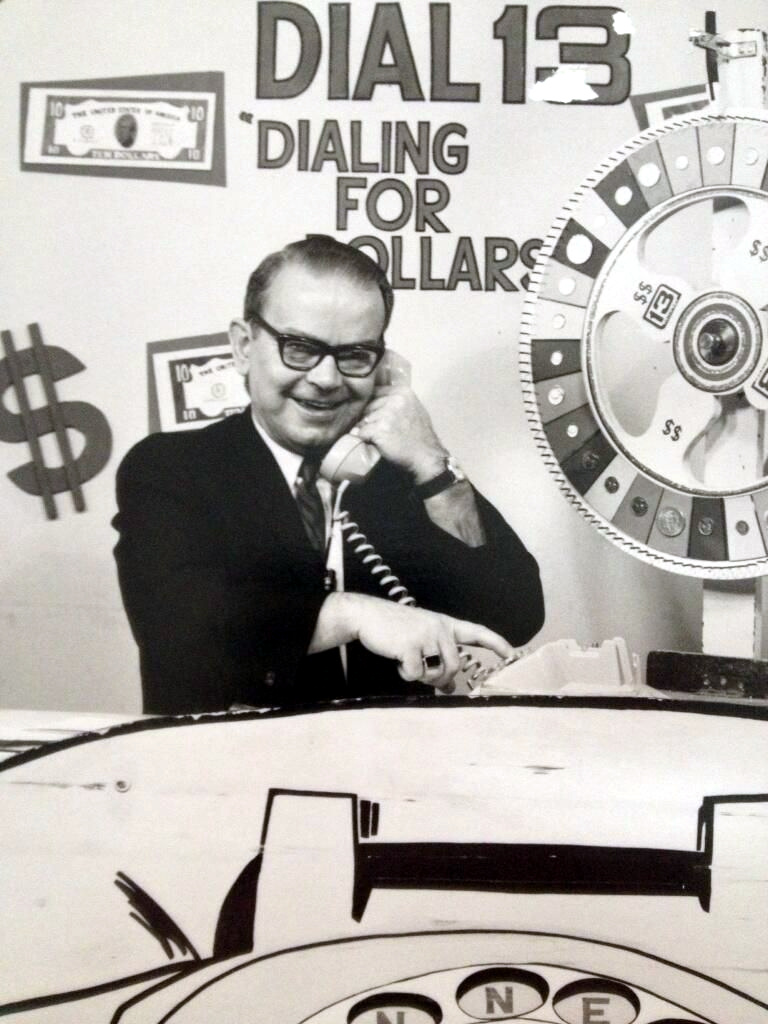
WHY OUTBOUND CALLING MATTERS
(“Dialing for Dollars”)
Outbound calling is most critical during Spring and Fall, when call volume is lower than peak seasons.
When schedules are light:
- Technicians risk being sent home early
- Revenue opportunities are lost
- Office overhead continues regardless
- Technicians lose earning opportunities (hourly, SPIFFs, bonuses)
It is the responsibility of the Service Department to actively generate work when demand is low. Outbound calling allows us to:
- Keep technicians working full days
- Recover lost or delayed opportunities
- Strengthen customer relationships
- Maintain operational consistency
PRIMARY OUTBOUND CALL TYPES
Outbound calls fall into three main categories:
- Maintenance Agreement (CMA) Scheduling
- Estimate Follow-Ups
- Accounts Receivable (AR) Follow-Ups
Each category has a different purpose, tone, and script.
1. MAINTENANCE AGREEMENT SCHEDULING
WHAT CMA’s ARE
Customer Maintenance Agreements allow us to:
- Maintain customer systems regularly
- Protect manufacturer warranties
- Identify issues early
- Provide discounts, priority service, and waived fees
Most CMA customers receive two visits per year:
- Cooling maintenance (Spring)
- Heating maintenance (Fall)
WHY WE CALL MEMBERS
We do not wait until customers call us. We want to get them on the schedule.
Proactive scheduling:
- Shows customers we care
- Prevents last-minute congestion
- Improves route efficiency
- Keeps schedules full during slower seasons
We aim to contact members every season, even if they are not overdue.
MEMBERSHIP OUTBOUND CALL – LIVE ANSWER SCRIPT
“Hi Mrs. Jones, this is [Your Name] calling from Gold Eagle Services.
I’m reaching out because our records show it’s time to schedule your seasonal maintenance, and we wanted to get that on the calendar for you before things get busy.”
Pause. Let the customer respond.
If receptive:
“We have a technician in your area on [day/date]. Would a morning or afternoon appointment work better for you?”
Once scheduled:
“You’ve made a great decision. Regular maintenance helps your system last longer, run more efficiently, and avoid unexpected breakdowns.”
Close with:
- Restating date and time
- Letting them know how much time to expect
- Thanking them for their continued trust
MEMBERSHIP OUTBOUND CALL – VOICEMAIL SCRIPT
“Hi Mrs. Jones, this is [Your Name] with Gold Eagle Services.
We’re reaching out to schedule your seasonal maintenance, as our records show it’s due. We have a technician in your area soon and would love to get you on the schedule. Please give us a call back at 512-489-4653. We look forward to speaking with you.”
RESCHEDULING MAINTENANCE VISITS
Rescheduling should be the exception, not the norm.
Frequent rescheduling:
- Damages company reputation
- Reduces customer trust
- Lowers agreement retention
Guidelines:
- Do not reschedule the same customer repeatedly
- Document all reschedule history in job notes
- If a customer declines rescheduling, respect it
2. ESTIMATE FOLLOW-UPS
WHAT ESTIMATES ARE
Estimates are created by technicians or sales when:
- Additional work is recommended
- The customer wants pricing but not immediate work
Many customers:
- Need time to plan financially
- Need time to adjust schedules
- Simply forget about the recommendation
WHY ESTIMATE FOLLOW-UPS MATTER
If we don’t follow up:
- Customers assume it’s not important
- Opportunities are lost
- Technicians lose work
- Revenue disappears quietly
Estimate follow-ups are one of the highest-value outbound activities.
ESTIMATE FOLLOW-UP – LIVE ANSWER SCRIPT
“Hi Mr. Smith, this is [Your Name] with Gold Eagle Services.
I’m calling to follow up on an estimate we provided for you recently. I wanted to check in, see if you had any questions, and find out if the timing might be right to move forward.”
If hesitant:
“Totally understandable. A lot of customers like to plan ahead. We just wanted to make sure you had everything you needed and that nothing fell through the cracks.”
If ready to proceed:
- Schedule work
- Confirm availability
- Document outcome
ESTIMATE FOLLOW-UP – VOICEMAIL SCRIPT
“Hi Mr. Smith, this is [Your Name] with Gold Eagle Services.
I’m calling to follow up on an estimate we recently provided and wanted to see if you had any questions or needed anything from us. Feel free to give us a call back when convenient.”
3. ACCOUNTS RECEIVABLE FOLLOW-UPS
WHAT ACCOUNTS RECEIVABLE IS
Accounts Receivable includes customers who:
- Have had work completed
- Have an unpaid invoice
Invoices are categorized by age:
- 0–30 days
- 30–60 days
- 60–90 days
- 90–120 days
- 120+ days
The older an invoice, the harder it is to collect.
IMPORTANT RULE (NON-NEGOTIABLE)
We do NOT ask customers for money.
Our purpose is to:
- Confirm invoice delivery
- Verify correct email or mailing address
- Re-send invoices if needed
AR OUTBOUND CALL – LIVE ANSWER SCRIPT
“Good afternoon Mrs. Jones, this is [Your Name] with Gold Eagle Services.
I’m showing an open invoice on your account, and I just wanted to make sure we sent that to the correct email address. Have you received it?”
If yes:
“Perfect. I just wanted to confirm everything was received correctly. Please let us know if you have any questions.”
If no:
“I’m sorry about that. I’ll send it over right now. Could you please verify the best email address for me?”
AR OUTBOUND CALL – VOICEMAIL SCRIPT
“Good afternoon, this is [Your Name] with Gold Eagle Services.
We’re showing an open invoice on your account and wanted to confirm we have the correct email address on file. Please give us a call back at 512-489-4653. Thank you.”
INVOICE & SYSTEM EXPECTATIONS
CSRs should be able to:
- Locate invoices efficiently
- Determine whether an invoice was emailed
- Re-email invoices when requested
- Verify customer contact information
EXPECTATION & ACCOUNTABILITY
Outbound calling is a core responsibility when schedules are light.
It:
- Protects technician hours
- Improves cash flow
- Strengthens customer relationships
- Supports company stability
Consistency matters more than perfection.
