
Purpose
The goal of this process is to ensure we can accurately measure the impact of marketing on leads, bookings, and revenue — even when marketing was not the original source of the lead.
Background
Traditional CRM lead tracking only captures lead source (e.g., Google Ads, Referral, Repeat Customer). While this tells us where the lead came from, it does not tell us whether marketing played a role in actually booking or closing the job.
For example:
- A referral lead might later book because they received an email promotion.
- An existing customer might schedule a tune-up because of an SMS campaign.
- A non-marketing lead might have questions answered by marketing content, making them easier to close.
Without tracking this, we undervalue marketing and misattribute revenue.
Key Concepts
We are now tracking two separate but related pieces of data:
1. Lead Source (Origin)
This answers:
“Where did the lead come from originally?”
Examples:
- Google Ads
- Referral
- Repeat Customer
- SEO / Website
- Social Media
- Phone / Direct
This remains unchanged from existing practice.
2. Marketing Influence (Impact)
This answers:
“Did marketing help move this lead into an appointment or sale?”
We will categorize influence using tags:
- Marketing Generated
Lead originated from a marketing channel. - Marketing Influenced
Lead did not originate from marketing, but marketing played a role in closing/booking the job. - Non-Marketing
Lead booked without any marketing involvement.
Examples
| Scenario | Lead Source | Influence Tag |
|---|---|---|
| Requested service via Google Ads | Google Ads | Marketing Generated |
| Referral but booked after receiving promo email | Referral | Marketing Influenced |
| Existing customer booked after SMS blast | Repeat Customer | Marketing Influenced |
| Walk-in, no promo involved | Walk-In | Non-Marketing |
Why This Matters
Tracking both helps us understand:
✔ Marketing-attributed revenue
✔ Campaign performance
✔ Channel ROI
✔ Sales + marketing alignment
✔ True cost per booked appointment
✔ Attribution beyond first touch
It also allows us to distinguish between:
- Marketing-Generated Revenue (origin)
- Marketing-Influenced Revenue (impact)
Both are important for budgeting and strategy.
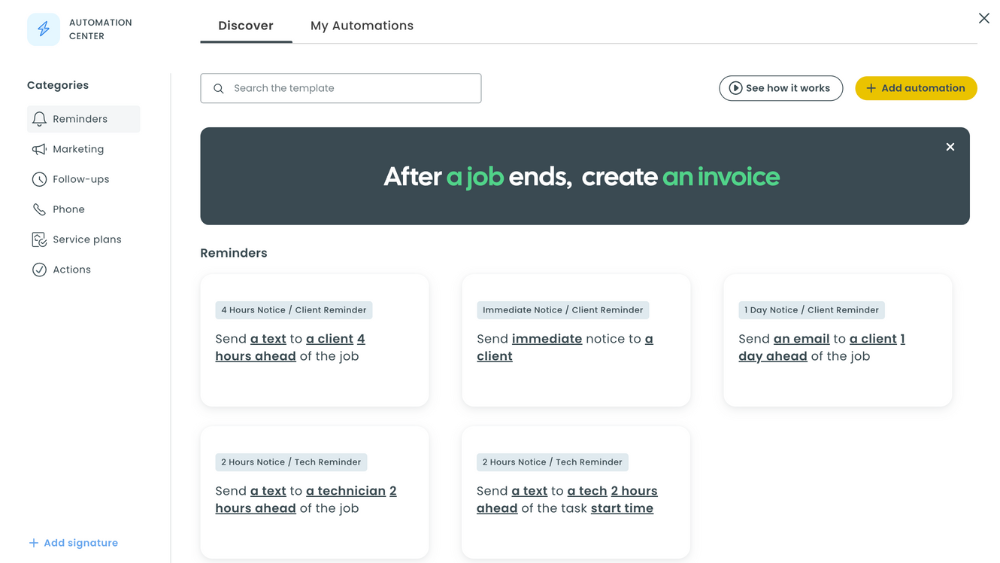
Implementation in Workiz
Step 1: Continue Recording Lead Source
Lead source must always be selected for every new lead.
Step 2: Apply the Marketing Influence Tag
Once an appointment is booked (or job closed), the influence tag must be added based on involvement.
Step 3: Campaign Tracking (Optional)
If related to a promo, apply the relevant campaign tag (e.g., “IAQ Email Q4”).
Step 4: Reporting
Reports will now allow us to pull:
- Bookings by Lead Source
- Revenue by Lead Source
- Marketing-Influenced Bookings
- Marketing-Influenced Revenue
- Campaign performance
Who Is Responsible
- Customer Service / Booking Team: Tags Influence at the time of booking
- Marketing Team: Creates campaigns & verifies attribution
- Operations: Reviews reporting to inform decisions
Summary
By tracking both lead origin and marketing influence, we gain a more complete picture of marketing’s role in revenue and customer acquisition. This ensures better budget decisions, improved reporting accuracy, and cross-department alignment.